
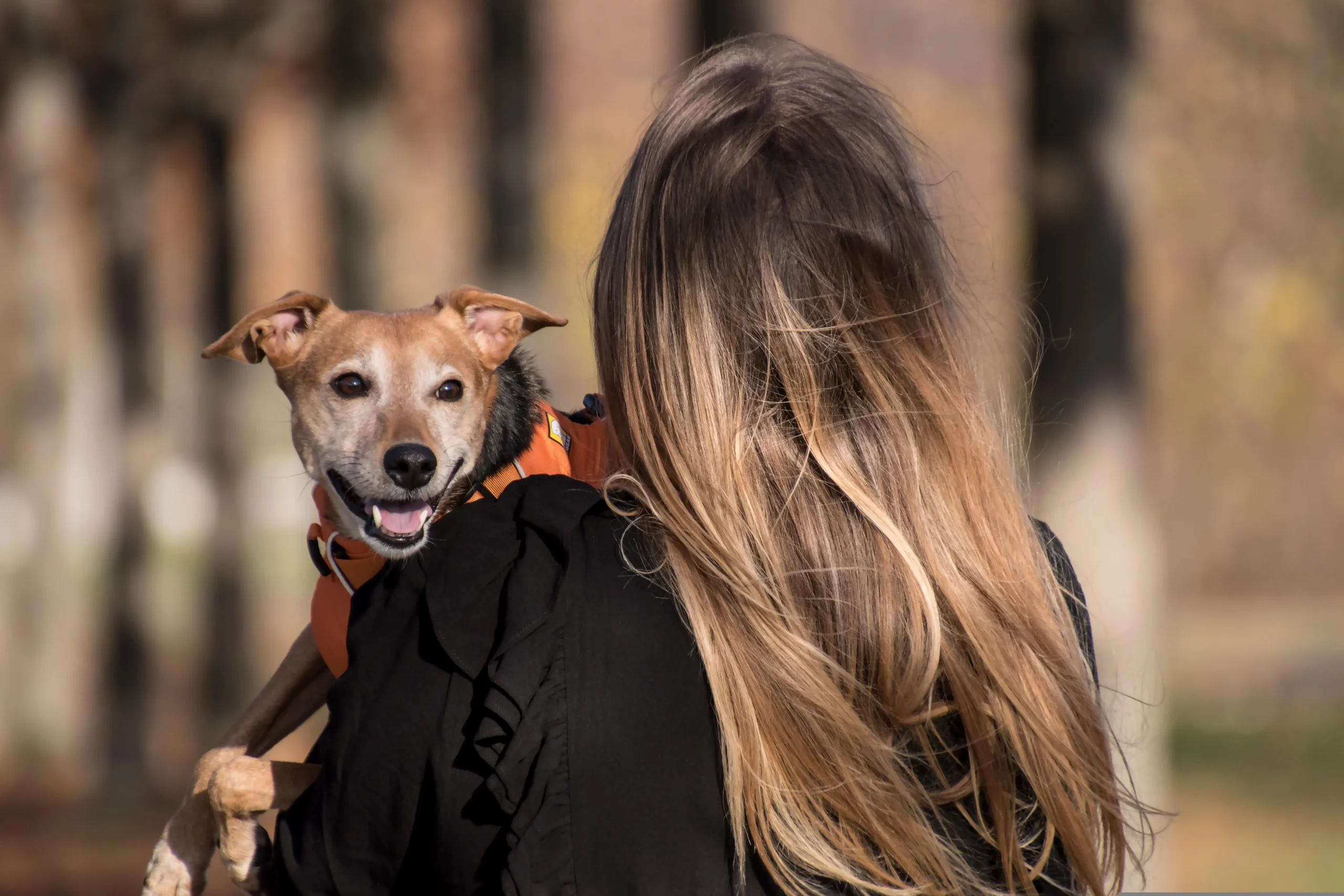
If you’ve ever found yourself asking, why does my dog lick me so much, you’re definitely not alone. It’s one of those everyday behaviors that seems simple on the surface, but the more it happens, the more you start to wonder what your dog is really trying to say.
For many dog owners, licking feels like a sign of affection. And in many cases, it is. But dogs don’t rely on words to communicate the way we do. Instead, they use body language, actions, and habits like licking to express everything from love and curiosity to stress or discomfort.
Understanding what’s behind this behavior can help you respond in the right way and build a stronger, more trusting relationship with your dog.
Table of Contents
A Natural Instinct That Goes Back Generations
Licking isn’t something dogs randomly developed—it’s deeply rooted in their instincts. Long before dogs became part of our homes, their ancestors depended on behaviors like licking to survive and communicate within their social groups.
In the wild, licking played an important role in maintaining relationships within a pack. Younger dogs would lick older or more dominant members as a sign of respect, while mothers used licking to care for and clean their puppies. It also helped strengthen bonds and keep the group connected.
Even though today’s dogs live very different lives, those instincts haven’t disappeared. When your dog licks you, it’s often tapping into that same natural behavior—one that signals trust, familiarity, and connection.
Experts, including the American Kennel Club, recognize licking as a normal form of social interaction in dogs, especially when directed toward people they feel comfortable with.
More Than Just “Kisses”: What Your Dog Might Be Trying to Say
While affection is one of the most common reasons dogs lick their owners, it’s not the only one. The meaning behind the behavior often depends on the context.
Sometimes, your dog licks you simply because they enjoy being close to you. Physical contact can be calming for dogs, and licking may release feel-good chemicals that help them relax. In these moments, the behavior is usually gentle and accompanied by a relaxed posture—soft eyes, a loose body, and a wagging tail.
Other times, licking is more about getting your attention. Dogs quickly learn what works. If you respond every time they lick—whether by talking, laughing, or petting them—they may continue doing it as a reliable way to interact with you. What starts as a small habit can easily become a regular behavior.
There’s also a more practical side to it. Dogs explore the world through their senses, and taste is part of that. Your skin carries different scents and flavors, especially after exercise or cooking. To your dog, licking can simply be a way of gathering information about where you’ve been or what you’ve been doing.
When Licking Becomes a Way to Communicate Needs
As you spend more time with your dog, you may notice that licking tends to happen at specific moments. That’s often because your dog is trying to communicate something.
For example, a quick lick followed by pacing or staring might mean your dog wants to play or go outside. Licking around feeding times could be linked to hunger, while repeated licking during quiet moments might signal boredom.
Dogs don’t have a single “reason” for licking—it’s a flexible behavior they use in different situations. Paying attention to timing and body language can give you valuable clues about what your dog needs.
Could It Be a Sign of Stress or Anxiety?
Not all licking is about affection or curiosity. In some cases, it can be a way for dogs to cope with stress.
Just like humans develop habits when they feel anxious, dogs may turn to repetitive behaviors—like licking—to calm themselves down. This is especially common during situations such as being left alone, changes in routine, or exposure to loud noises.
If your dog’s licking seems more intense than usual, or happens alongside signs like restlessness, pacing, or a tucked tail, it may be worth looking at their environment and recent changes. Small adjustments, like increasing playtime or creating a more predictable routine, can sometimes make a big difference.
When Licking Might Be Linked to Physical Discomfort
Although licking is usually harmless, there are situations where it may be connected to an underlying issue. For example, some dogs lick more when they’re dealing with skin irritation or mild digestive discomfort.
You might notice your dog licking not only you, but also their paws, legs, or other parts of their body more frequently than usual. In these cases, the behavior may be an attempt to soothe discomfort rather than communicate socially.
It’s important not to jump to conclusions, but if the licking becomes persistent or unusual, it’s a good idea to monitor it closely. A qualified veterinarian can help determine whether there’s a medical reason behind the change in behavior.
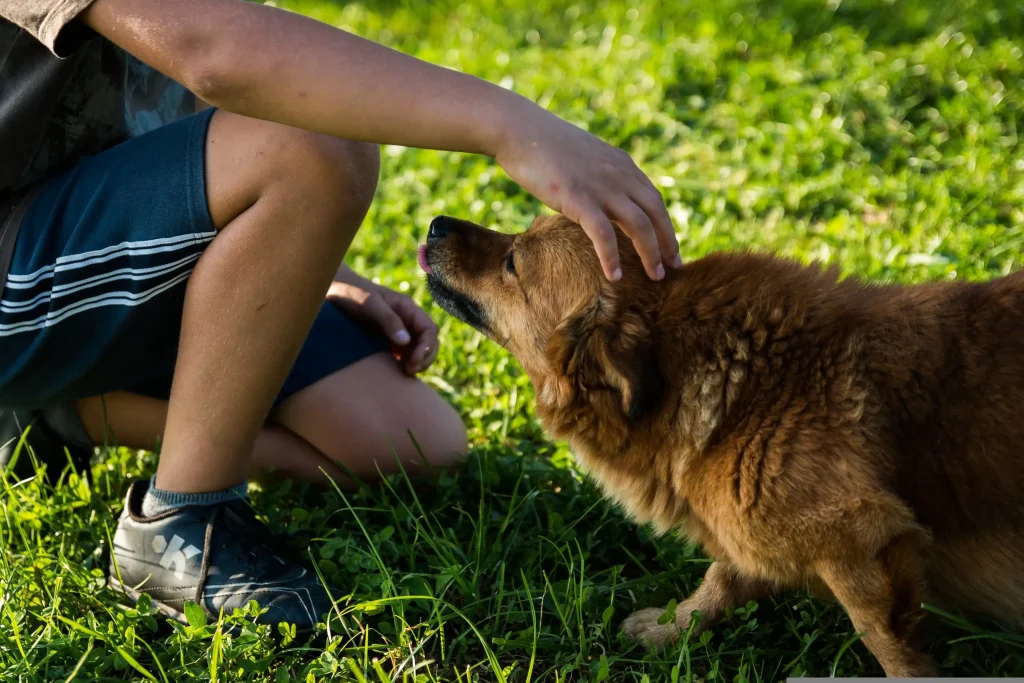
How to Tell the Difference Between Normal and Excessive Licking
For most dogs, licking is a normal part of daily life. The key is to notice whether the behavior feels balanced or excessive.
A dog that licks occasionally, especially during greetings or relaxed moments, is usually displaying healthy, social behavior. On the other hand, if the licking becomes constant, difficult to interrupt, or focused on one specific area, it may need closer attention.
Changes are especially important. If your dog suddenly starts licking much more than usual, it’s often a sign that something has shifted—either physically or emotionally.
Managing Licking Without Breaking the Bond
If your dog’s licking is becoming a bit too much, the goal isn’t to stop the behavior completely—it’s to guide it in a healthier direction.
One of the most effective approaches is redirection. When your dog starts licking excessively, gently shift their attention to something else, like a toy or a short play session. Over time, they’ll learn alternative ways to engage with you.
Increasing daily activity can also help. Dogs that get enough physical exercise and mental stimulation are less likely to develop repetitive habits out of boredom or excess energy.
At the same time, it’s important to be mindful of your own reactions. If licking always leads to attention, your dog will continue using it as a strategy. Setting gentle, consistent boundaries can help reduce the behavior without causing confusion.
Final Thoughts
So, why does your dog lick you so much? In most cases, it’s a combination of instinct, affection, communication, and curiosity. It’s one of the many ways dogs connect with the people they trust.
The key is to look beyond the behavior itself and consider the context. By paying attention to when and how your dog licks, you can better understand what they’re trying to express—and respond in a way that supports their well-being.
Disclaimer
This article is for informational purposes only and does not replace professional veterinary advice. Always consult a qualified veterinarian for diagnosis or treatment of any health or behavioral concerns.