

Ever wondered about the sharp daggers hidden inside a feline’s mouth? Knowing the cat’s tooth count is key for any owner who wants to give the best care.
Proper care begins with learning about our furry friends. Whether they’re yawning or nibbling on treats, their teeth are very important.
Young kittens start with 26 deciduous teeth. These sharp teeth fall out to make room for permanent ones in their first year.
This process prepares them for life. So, how many teeth do cats have when they grow up?
Most adult cats have 30 permanent teeth. This set helps them eat different foods and stay true to their carnivorous diet.
The set includes 12 incisors and 4 strong canines. They also have 10 premolars and 4 molars for cutting food.
Keeping these pearly whites clean keeps pets happy for years. Regular vet visits are important for their dental health.
Table of Contents
Understanding how many teeth do cats have
Cats have more than just a number of teeth. Their teeth are structured and function in a unique way. This is key to their health and how they eat and play.
The difference between kitten and adult teeth
Kittens start without teeth but quickly get their first set, called baby teeth. They have 26 baby teeth, with 12 incisors, 4 canines, and 10 premolars. As they grow, these baby teeth are replaced by permanent ones.
Adult cats have 30 permanent teeth. This includes 12 incisors, 4 canines, 10 premolars, and 4 molars. The switch from baby to adult teeth happens when they’re about six months old.
Anatomy of a cat’s tooth structure
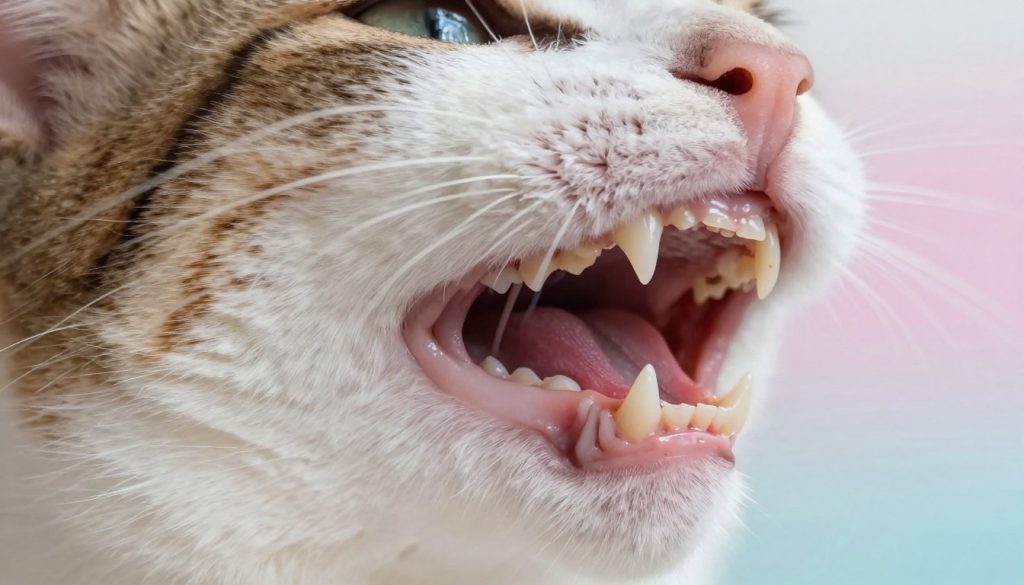
Cats have different types of teeth for various tasks. They have incisors for nibbling, canines for piercing, premolars for shearing, and molars for grinding.
Their teeth are sharp and pointed, perfect for hunting. Knowing about a cat’s tooth structure helps us understand their dental needs and keep them healthy.
The stages of feline dental development
The journey of feline dental development starts early in a kitten’s life. It’s a key time that sets the stage for their oral health. As kittens grow, their teeth develop in stages, each with its own milestones.
Teething Process in Kittens
Kittens start teething at 2-3 weeks old, with incisors coming first. This is a big step in their development. Teething can be tough for kittens, so owners need to know the signs to help.
Kittens may drool and act irritable during teething. Giving them chew toys can help ease their discomfort.
When Adult Teeth Emerge
As kittens grow, baby teeth are replaced by permanent teeth. By 6 months, kittens should have all their adult teeth. This change is key to their oral health, affecting how they eat and feel.
It’s important for owners to watch this change closely. They should check if adult teeth are coming in correctly and if there’s no overcrowding.
Common Signs of Dental Discomfort During Growth
Kittens may show signs of dental discomfort during teething and when adult teeth come in. These signs include drooling, irritability, and facial sensitivity. Spotting these signs early helps owners help their kittens feel better.
- Drooling
- Irritability
- Sensitivity around the face
- Loss of appetite
Understanding these stages and signs helps cat owners support their kittens. This ensures a healthy and comfortable transition to adulthood.
Essential tips for maintaining cat dental health
A healthy smile is more than just looks; it’s vital for your cat’s health. Keeping your cat’s teeth clean is key to avoiding bad breath and serious infections.
Establishing a Routine for Cat Teeth Cleaning
Brushing your cat’s teeth is a must for their dental care. Begin by getting them used to tooth touch. Use a soft-bristled toothbrush and cat-safe toothpaste, as human toothpaste can harm them. Make it a positive experience with treats.
Be consistent. Brush your cat’s teeth every day, or at least a few times a week. This helps remove plaque and tartar, lowering the risk of dental problems.
Choosing the Right Tools for Oral Hygiene
Picking the right tools for your cat’s oral care is important. Cat-specific toothbrushes and toothpaste are made for their safety and comfort. Dental chews and treats can also help. Look for products with the Veterinary Oral Health Council (VOHC) seal for quality.
Identifying Common Cat Tooth Problems
Cats face many dental issues, like stomatitis, gingivitis, and periodontal disease. Watch for bad breath, yellow or brown teeth, red gums, and eating changes. If you see these signs, talk to your vet.
Regular vet visits are key to your cat’s dental health. They can spot problems early and guide you to the best care.
Keeping your feline friend’s smile healthy for life
Keeping your cat’s teeth healthy is key to their well-being. Regular vet visits are important to stop common tooth issues. A consistent cleaning routine helps keep your cat’s teeth in top shape for years.
A proper dental care plan can lower the chance of problems like tartar and gum disease. Vets suggest regular check-ups to spot issues early. This makes treatment more successful.
Combining vet visits with a good cleaning routine keeps your cat’s smile shining. This not only boosts their oral health but also their overall happiness.