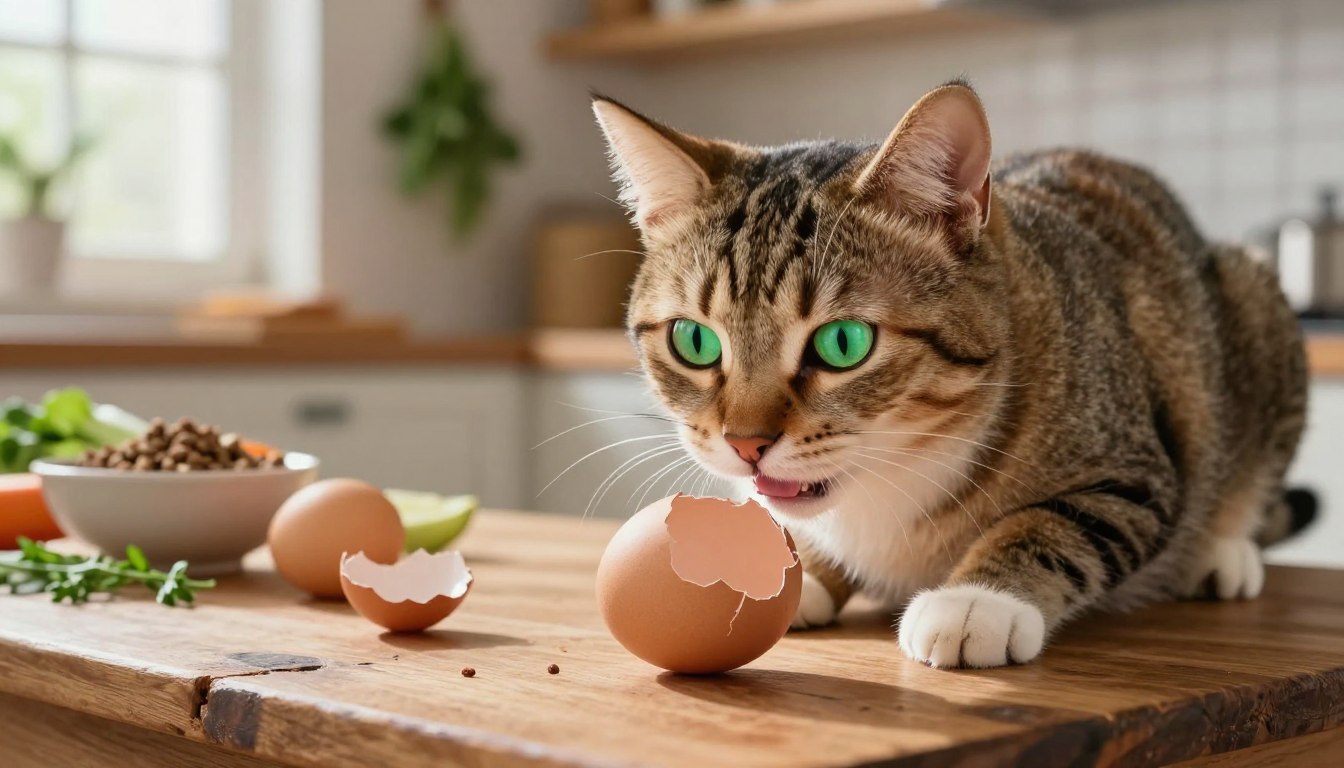
You often watch your furry companion eye your breakfast plate with intense curiosity. It is natural to wonder if sharing a small bite of your morning meal is truly safe for your pet. Providing the right nutrients is essential for every dedicated pet owner in the United States.
The Guyana Society for the Prevention of Cruelty to Animals (GSPCA) notes that these items are a solid protein source. Properly cooked snacks offer significant advantages for feline physiological health and muscle maintenance. You just need to prepare them without any harmful oils, butter, or salt.
Many people worry about the risks associated with raw food. Thoroughly preparing these ingredients eliminates dangerous pathogens like Salmonella, which protects your home. A cautious approach ensures that your four-legged friend stays strong and energetic.
Understanding the safety of cats consuming eggs is the first step toward a healthy lifestyle for your pet. This knowledge helps you make informed nutritional choices for your feline friend. Keeping variety in their bowl keeps them happy and full of life every single day.
Table of Contents
Can Cats Eat Eggs Safely?
Thinking about adding eggs to your cat’s diet? Cats often want to eat like humans, which can be interesting. They might even surprise you with their food choices.
Eggs are full of nutrients that people enjoy. But can cats eat them safely? It depends on a few things. The main question is whether eggs are good for cats without harming them.
Feeding eggs to cats can be okay if done right. Cats need different nutrients than humans. Eggs can be good, but there’s a chance of bad reactions or not getting enough nutrients.
To safely give eggs to your cat, know the risks and benefits. Learn about the nutrients in eggs, how to cook them for your cat, and watch for any signs of trouble.
Nutritional Benefits of Eggs for Cats
Eggs are safe for cats and packed with nutrients. They contain animal protein, fat, vitamins, and minerals. Cats digest animal protein better than veggies, making eggs a good treat.
High-Quality Protein Content
Eggs are a great source of protein for cats. This protein is high-quality and easy for cats to digest. It’s perfect for cats needing a protein-rich diet.
Essential Vitamins and Minerals
Eggs are not just protein; they’re also full of essential vitamins and minerals. These nutrients help keep your cat healthy. They support the immune system and keep the coat shiny.
Amino Acids for Feline Health
The amino acids in eggs are key to your cat’s health. They help with skin, coat, and muscle health. It’s important to ensure your cat gets enough of these amino acids.
Adding eggs to your cat’s diet can give them these important nutrients. Just make sure to cook eggs properly to get the most benefits.
Potential Risks of Feeding Eggs to Cats
Eggs can be good for your cat’s diet, but there are risks. Feeding eggs safely is key. Knowing the downsides is important.
Raw eggs are a big health risk for cats. They can have Salmonella and Listeria. These can make your cat very sick.

Raw Eggs and Salmonella Concerns
Raw eggs are full of bacteria. This is bad for your cat. Salmonella in raw eggs can make your cat very sick.
To avoid Salmonella, cook eggs well before giving them to your cat.
Biotin Deficiency from Raw Egg Whites
Raw egg whites have a protein called avidin. It can lead to biotin deficiency in cats. Biotin is important for your cat’s health.
Cooking egg whites helps avoid biotin deficiency.
Allergic Reactions in Cats
Cats can be allergic to eggs, just like people. Signs include itching, scratching, and stomach problems.
If your cat shows signs of an egg allergy, talk to your vet.
Digestive Issues and Upset Stomach
Some cats may not like eggs or have stomach problems after eating them. This is more likely if eggs are not cooked properly.
Watch how your cat acts and feels after eating eggs. Change their diet if needed.
How to Prepare Eggs for Your Cat
To safely add eggs to your cat’s diet, follow these simple steps. Preparing eggs for your cat is important. It ensures they are safe and enjoyable for your feline friend.
Step 1: Choose Fresh, High-Quality Eggs
First, pick fresh, high-quality eggs. This reduces the risk of harmful bacteria. Always check the expiration date and look for any visible cracks or damage.
Step 2: Cook Eggs Thoroughly
Cooking eggs is key to killing bacteria like Salmonella. There are several ways to cook eggs for your cat:
Scrambled Eggs Method
Scramble eggs in a pan without oil or seasonings. Use a non-stick pan to prevent sticking. Make sure the eggs are fully cooked with no runny parts.
Boiled Eggs Method
Boiling eggs is safe too. Place eggs in a single layer in a saucepan, cover with cold water, and boil. Then, remove from heat and let sit for 12-15 minutes before rinsing with cold water. This method cooks the eggs well.
Poached Eggs Method
Poaching eggs is a bit tricky but safe. Bring water to a simmer, crack an egg into it, and cook for 3-5 minutes. The whites should be set and the yolks cooked to your cat’s liking.

Step 3: Avoid Adding Seasonings or Oils
When cooking eggs for your cat, don’t add seasonings or oils. These can be harmful to cats. Keep the eggs plain for a healthy treat.
Step 4: Cool the Eggs Before Serving
Let the eggs cool to room temperature before serving. Serving hot eggs can burn your cat’s mouth and digestive tract.
By following these steps, you can give your cat a nutritious treat. Remember, eggs should be an occasional treat, not a regular part of their diet.
How Much Egg Should You Feed Your Cat?
Eggs can be a healthy treat for cats, but it’s important to know how much to give. Cats have specific dietary needs. Eggs can be a nutritious addition, but they should not replace a well-balanced cat food.
When deciding how much egg to feed your cat, consider their size, age, and health. A small amount is usually recommended to avoid digestive issues.
Appropriate Portion Sizes
The right amount of eggs for cats can vary. A good starting point is 1 tablespoon of cooked egg. This helps see how your cat reacts to it. Adding small amounts (about 1 tablespoon) of egg whites to their diet can also boost protein intake.
- For smaller cats, start with a teaspoon.
- For larger cats, you can begin with a tablespoon.
- Always cook the eggs thoroughly to avoid the risk of salmonella.
Frequency of Feeding Eggs
Feeding eggs to your cat should be done moderately. Eggs should be seen as an occasional treat, not a regular part of their diet. Feeding eggs once or twice a week is a good frequency for most cats.
Eggs as a Treat, Not a Meal Replacement
Remember, eggs are a treat and should not replace your cat’s regular meals. Cats need a complete and balanced diet, which eggs alone cannot provide.
- Ensure your cat’s main diet consists of high-quality cat food.
- Use eggs as an occasional supplement to add variety.
- Monitor your cat’s health and adjust their diet as needed.
What to Monitor After Feeding Eggs to Your Cat
It’s important to watch your cat’s health after giving them eggs. Eggs can be good for them, but sometimes they don’t agree. Knowing the signs that eggs might not be good for your cat is key.
Signs of Digestive Distress
Cats can have tummy troubles just like people do. After eating eggs, look out for signs like:
- Vomiting
- Diarrhea
- Lack of appetite
- Lethargy
If your cat shows these signs, it might mean eggs aren’t good for them. Stop giving eggs and talk to your vet.
Allergic Reaction Symptoms
Some cats can be allergic to eggs. Look out for signs like:
- Itching or scratching
- Skin rashes or hives
- Swelling around the face or paws
If you see these signs, get vet help fast. They can figure out if it’s an allergy or something else.
When to Contact Your Veterinarian
If your cat seems sick or uncomfortable after eggs, be careful. Call your vet if you see:
- Persistent vomiting or diarrhea
- Significant changes in appetite or behavior
- Any signs of an allergic reaction
Also, if your cat doesn’t eat for more than a day, it’s serious. They might get hepatic lipidosis, a bad liver condition. This needs vet help right away.
By watching your cat closely, you can make sure eggs are safe and healthy for them.
Conclusion
Feeding your cat eggs can be a good choice if done right. Cats can eat eggs, but it’s important to cook them well to avoid health problems. Serving eggs in small amounts helps your cat get the most benefits.
A cat’s diet should mainly have high-quality meat, some animal fat, and important vitamins and minerals. Eggs add valuable protein and amino acids. Watch your cat closely when adding eggs to their diet for any signs of trouble.
Following the tips in this article helps you add eggs to your cat’s meals safely. This way, your cat gets the nutrients they need without harming their health. Eggs can be a great addition to your cat’s diet if prepared and given in the right amounts.
Note: This article is for informational purposes only and does not replace professional veterinary advice. Always consult a vet for an accurate diagnosis and treatment for your pet.