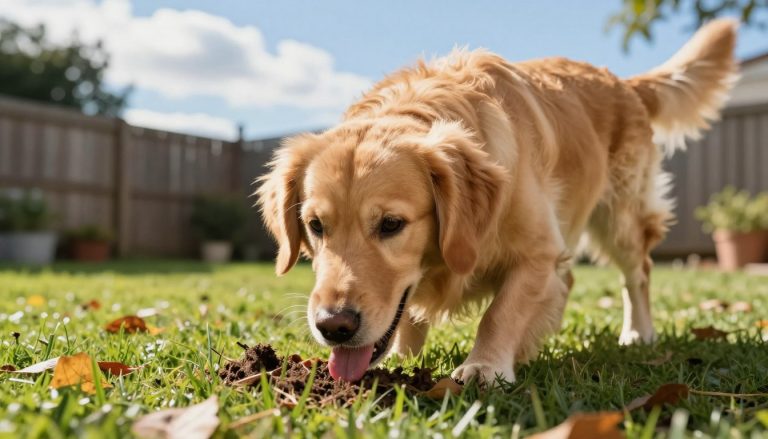
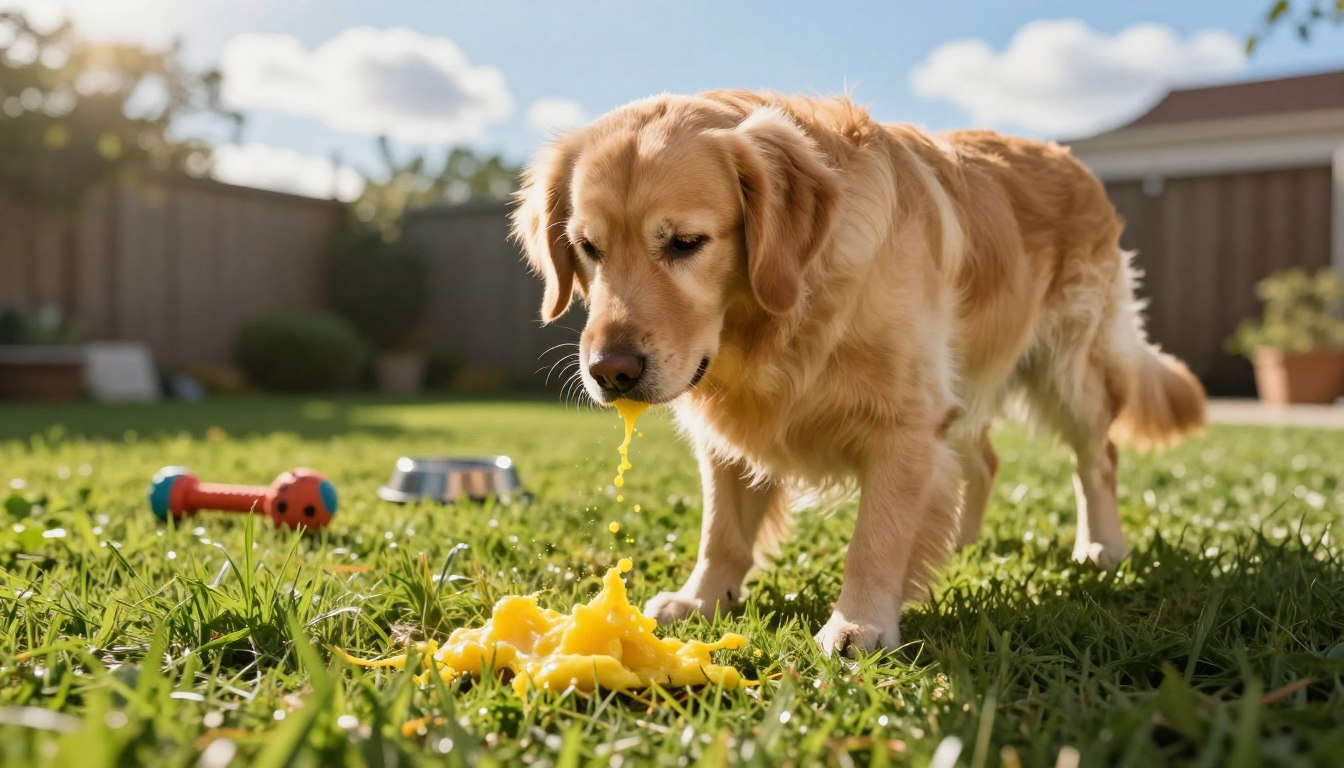
Seeing your dog throw up yellow can be scary. You might wonder if it’s just a minor issue or if you need to see a vet. Dog vomit yellow often means bile, but it can also point to other health problems.
Many pet owners get worried when their dogs seem sick or won’t eat. This yellow liquid is usually bile, which aids digestion. Knowing you’re not alone can help.
Finding the root cause is key to helping your dog feel better. This guide will look at common causes and ways to ease a sore stomach. We aim to ease your worries and check for serious issues.
Does your pet seem okay except for throwing up? Or are they tired and weak? Understanding these signs can help you decide if a vet visit is needed. Let’s dive into what dog throwing up yellow means for their health and comfort.
Table of Contents
What Causes Yellow Vomit in Dogs
Yellow vomit in dogs can be alarming. But knowing why it happens can help you act fast. When your dog throws up yellow, it’s a sign of a problem that needs fixing.
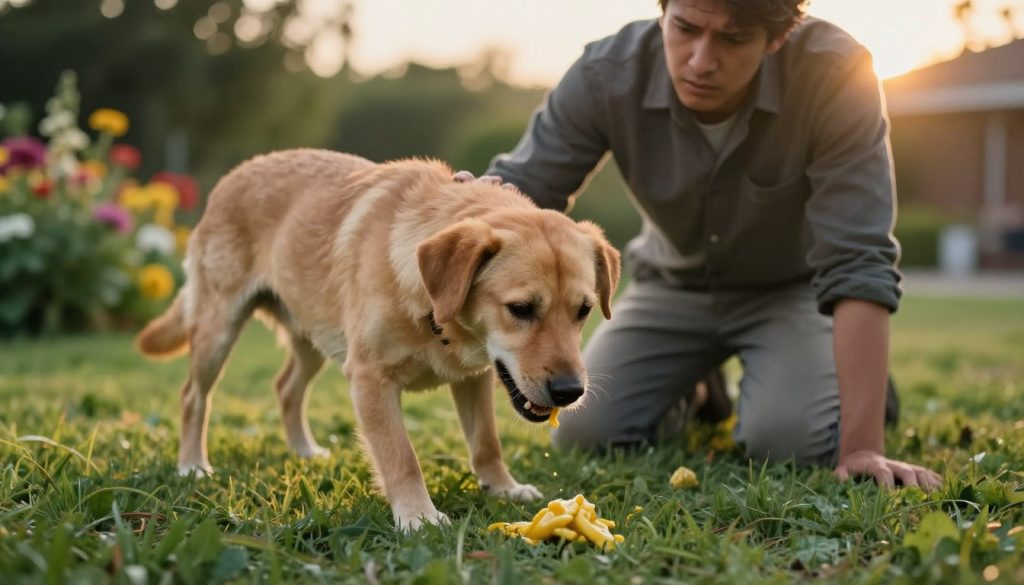
Bilious Vomiting Syndrome
Bilious Vomiting Syndrome (BVS) makes dogs vomit bile or froth. This usually happens in the morning after not eating all night. It’s linked to an empty stomach and can keep happening if not treated.
Empty Stomach and Long Gaps Between Meals
An empty stomach can make your dog vomit yellow bile. If your dog doesn’t eat for a long time, their stomach gets upset. Feeding smaller, more frequent meals can help prevent this.
Dietary Indiscretion and Food Sensitivities
Dogs often eat things they shouldn’t, leading to dietary indiscretion. This, along with food sensitivities, can cause vomiting. If your dog is throwing up yellow, it might mean their diet needs a change or they’ve eaten something bad.
Other Medical Conditions
Many medical issues can cause yellow vomit in dogs. These include gastrointestinal diseases, pancreatitis, Addison’s disease, intestinal blockages, and allergies. These problems need a vet’s help to diagnose and treat.
Knowing why your dog is vomiting yellow is key to helping them. By figuring out the cause, you can take steps to make them feel better.
How to Help Your Dog Throwing Up Yellow
To help your dog with yellow vomit, you need to change their eating habits and care. A few simple changes can make them feel better.
Adjust Your Dog’s Feeding Schedule
Dogs often vomit yellow because their stomachs are empty. Changing their eating times can help stop this.
Feed Smaller, More Frequent Meals
Instead of big meals twice a day, try 3-4 smaller ones. This keeps their stomach full and reduces yellow vomit.
Offer a Small Bedtime Snack
A small snack before bed keeps their stomach busy at night. This can stop morning vomiting.
Monitor Your Dog’s Diet
Your dog’s diet is key to their health. Eating high-quality food helps prevent vomiting.
Stick to High-Quality Dog Food
Choose food that’s full of nutrients and easy to digest. Avoid foods with fillers or by-products as they upset the stomach.
Avoid Table Scraps and Rich Foods
Table scraps and rich foods can upset your dog’s stomach. Stick to their regular dog food for a balanced diet.
Keep Your Dog Hydrated
It’s important for your dog to drink water, even if they’re vomiting. Encourage them to drink plenty of water all day.
Watch for Additional Symptoms
If your dog is vomiting yellow, watch for other signs like tiredness, diarrhea, or not wanting to eat. These could mean a bigger problem that needs a vet.
- Monitor their vomiting frequency
- Check for signs of dehydration
- Watch for changes in appetite or behavior
Dog Vomiting White Foam: Causes, Treatment, and When to Worry
When to See a Vet for Dog Vomiting Yellow
If your dog is throwing up yellow, it’s natural to feel concerned. You should take your dog to the vet if they vomit more than once in 24 hours. Also, if they show signs of dehydration, lethargy, or weakness, it’s time to go.
Chronic or recurrent episodes of dog throwing up yellow also need a vet’s check. Your dog’s health is a priority, and it’s always better to err on the side of caution. If you’re unsure about your dog’s condition or notice any worsening symptoms, seeking professional advice from a vet is the best course of action.
They can diagnose the underlying cause and provide appropriate treatment. This will help your dog recover. When deciding when to see a vet for a dog throwing up yellow, consider your dog’s overall health and any additional symptoms. Prompt veterinary care can make a significant difference in your dog’s recovery and well-being.