Cats are known for being affectionate companions, but sometimes their behavior can be confusing. One moment your cat is cuddling peacefully, and the next moment it suddenly bites you. If you’ve ever wondered “why does my cat bite me?”, you’re not alone. Many cat owners experience this behavior at some point.
Cat biting is usually not meant to harm you. In most cases, it is simply a form of communication. Cats use body language, vocalizations, and sometimes gentle bites to express their feelings. Understanding the reasons behind cat biting behavior can help you respond appropriately and strengthen the bond with your feline friend.
Table of Contents
1. Your Cat Is Playing
One of the most common reasons cats bite is play behavior. Cats are natural hunters, and playtime helps them practice their hunting instincts.
Kittens in particular love to chase, pounce, and bite during play. If you frequently play with your hands instead of toys, your cat may start to treat your hands as prey.
How to prevent play biting
- Use wand toys or interactive toys instead of your hands
- Redirect biting toward toys
- Avoid rough play that encourages biting
Providing proper play outlets helps reduce biting while playing.
2. Overstimulation During Petting
Many people ask, “why does my cat bite me when I pet him?” The answer is often overstimulation.
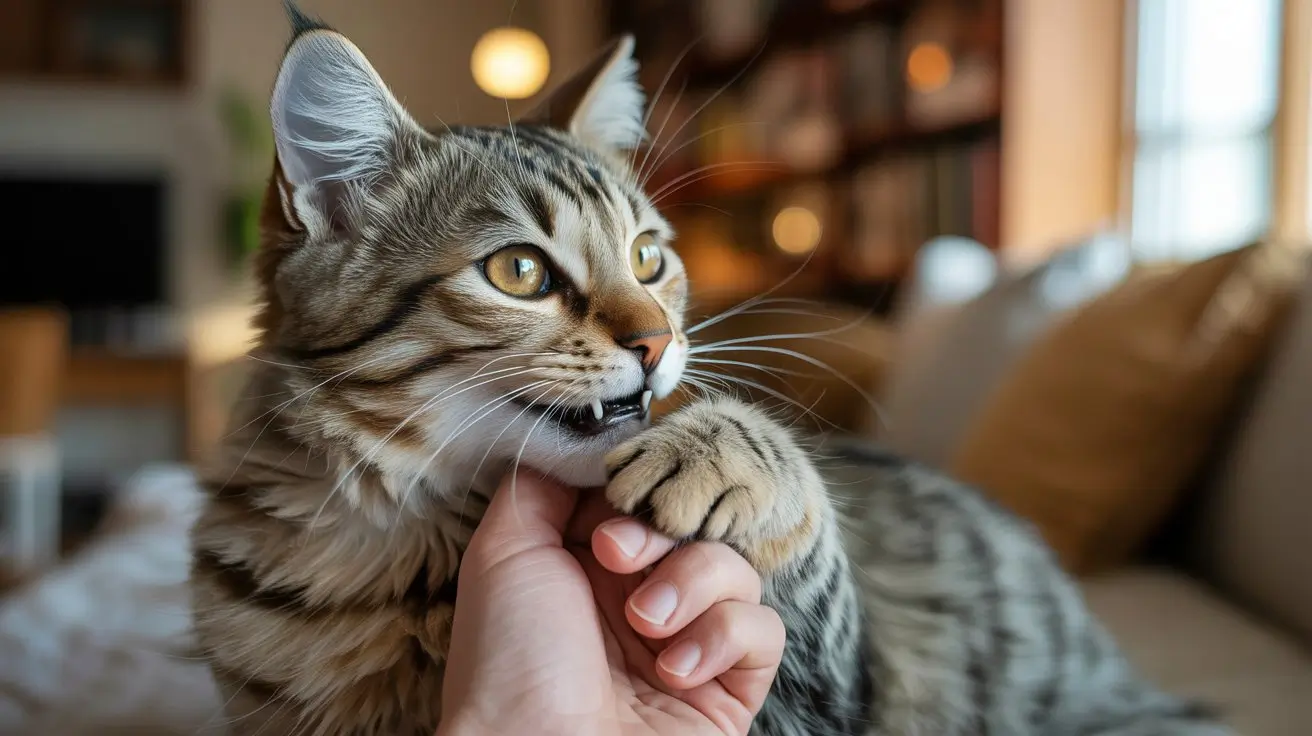
Cats enjoy affection, but too much petting can become overwhelming. When a cat reaches its tolerance limit, it may give a quick bite to signal that it wants you to stop.
Signs your cat is overstimulated
- Tail flicking rapidly
- Flattened ears
- Sudden body tension
- Skin rippling along the back
When you notice these signs, it’s best to stop petting your cat before a bite occurs.
3. Your Cat Is Showing Affection (Love Bites)
Sometimes cats give gentle nibbles, often called cat love bites. These bites are usually soft and not painful.
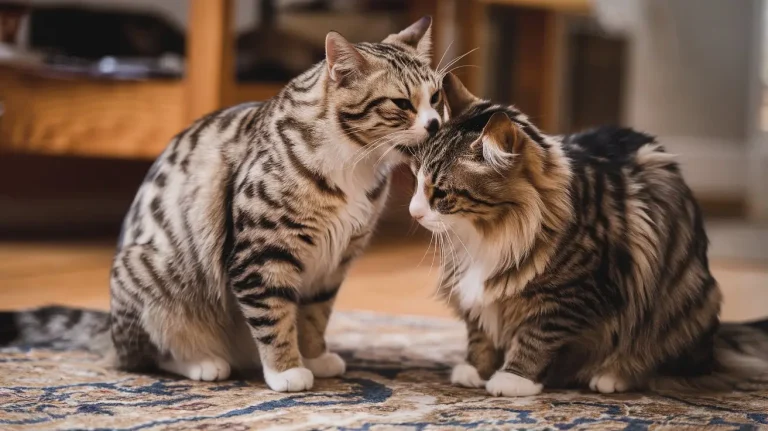
Cats groom each other as a sign of affection, and a small nibble may be part of that bonding behavior. If your cat gently nibbles you during cuddling, it may simply be expressing affection.
Love bites are usually:
- Gentle and brief
- Not aggressive
- Accompanied by relaxed body language
4. Your Cat Wants Attention
Cats are intelligent animals and quickly learn what gets your attention. If biting causes you to react immediately, your cat may repeat the behavior to get noticed.
For example, your cat might bite when:
- You are working on your laptop
- You are looking at your phone
- You are ignoring them
If biting consistently results in attention, your cat may view it as an effective communication method.
5. Your Cat Is Feeling Stressed
Stress and anxiety can also lead to biting. Changes in a cat’s environment may cause discomfort or fear.
Common stress triggers include:
- Moving to a new home
- New pets in the house
- Loud noises
- Visitors or unfamiliar people
A stressed cat may bite as a defensive reaction.
6. Your Cat Is Protecting Territory
Cats are naturally territorial animals. If they feel their space is being invaded, they may bite to protect themselves.
Territorial biting may occur when:
- Someone approaches their food bowl
- Another pet enters their resting area
- They feel cornered or trapped
Giving your cat a safe and comfortable space can reduce this type of behavior.
7. Your Cat May Be in Pain
If your normally gentle cat suddenly starts biting, it may be a sign of pain or discomfort.
Cats often hide illness very well. When a painful area is touched, they may bite as a warning.
Signs your cat may be in pain include:
- Hiding more than usual
- Decreased appetite
- Changes in grooming habits
- Sudden aggression
If you notice these symptoms, it is best to consult a veterinarian.
8. Your Cat Didn’t Learn Bite Inhibition as a Kitten
Kittens learn important social skills from their mother and littermates. During play, if one kitten bites too hard, the other kitten stops playing. This teaches bite control.
Kittens separated too early may not learn this lesson, which can lead to biting behavior in adulthood.
Proper socialization during early life helps prevent this issue.
How to Stop Your Cat from Biting
If your cat frequently bites, there are several ways to discourage the behavior.
Helpful strategies
- Use toys instead of hands during play
- Stop interacting when biting occurs
- Reward calm and gentle behavior
- Provide daily play sessions to release energy
- Watch for body language signals
Consistency and patience are key when teaching your cat better behavior.
When Should You Be Concerned?
Occasional playful bites are usually normal. However, you should seek professional advice if your cat:
- Bites aggressively or frequently
- Breaks the skin during bites
- Shows sudden personality changes
- Appears to be in pain
A veterinarian or animal behavior specialist can help identify the underlying cause.
Conclusion
If you’ve been wondering “why does my cat bite me?” the behavior usually has a clear explanation. Cats may bite because they are playing, overstimulated, seeking attention, or expressing affection. In some cases, stress or discomfort may also be involved.
By paying attention to your cat’s body language and providing appropriate play and stimulation, you can greatly reduce biting behavior. With patience and understanding, you can strengthen your relationship and create a happier environment for both you and your feline companion.