
You deeply care about your furry friend’s health and happiness. Maybe you like using natural scents to relax at home.
Wondering if a certain minty liquid is safe for your pup is common. It’s a concern when keeping your home fresh.
Essential Points:
- Dilution is key to avoiding skin issues.
- Strong scents might overwhelm dogs.
- Always consult a vet first.
Many people ask, “is peppermint oil safe for dogs?” Our guide answers this question.
We’ll talk about the risks and benefits of using it correctly. It’s important to know how your dog reacts.
Plant extracts have many uses but can be tricky. Dogs have a better sense of smell than humans.
What smells nice to us might be overwhelming for them. We need to understand how these liquids affect pets.
This post covers the main dangers and benefits. Proper knowledge protects your pet. It brings you peace of mind.
You’ll learn about dilution and how to apply it. Our goal is to keep your four-legged friend happy and healthy all year round.
Table of Contents
Is Peppermint Oil Safe for Dogs: What You Need to Know
Peppermint oil is becoming more popular in pet wellness products. But is it safe for dogs? This essential oil is found in many household items and pet care products. It’s important to know how it affects dogs’ health.
Understanding Peppermint Oil and Dogs
Peppermint oil comes from the peppermint plant’s leaves. It has a refreshing scent and may have health benefits. But, dogs metabolize and react differently than humans. This means what’s safe for us might harm them.
When Peppermint Oil Can Be Safe
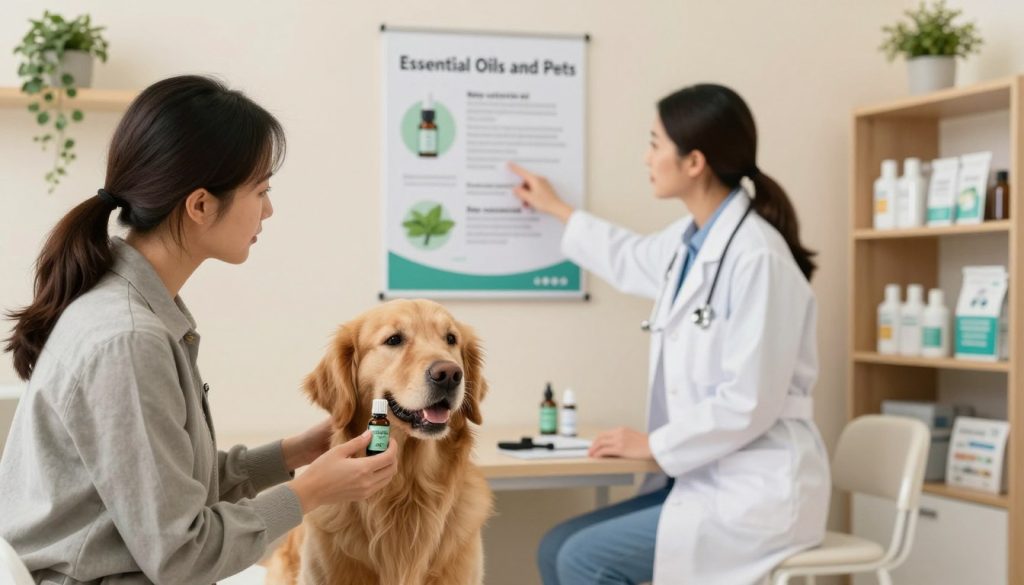
In some cases, peppermint oil is safe for dogs when used correctly and in small amounts. It can help repel fleas and ticks or ease digestive problems. But it’s key to mix it well and talk to a vet before using it on your dog.
The safety of peppermint oil also depends on the dog’s health, age, and size. Some dogs might be more sensitive to its effects. So, watching how they react is important.
When Peppermint Oil Becomes Dangerous
Even with its benefits, peppermint oil can be risky for dogs in some situations. Drinking undiluted peppermint oil or putting it on sensitive spots can cause problems. Symptoms can include skin irritation, allergic reactions, and serious health issues.
It’s also key to know the risks of peppermint oil for dogs. These include toxicity and breathing issues, which can be worse in small spaces or with too much oil.
Potential Risks of Peppermint Oil for Dogs
Peppermint oil is good for humans but can be risky for dogs. It’s a strong essential oil that can harm your dog if not used right.
There are many risks with peppermint oil for dogs. These include toxicity, skin irritation, and breathing problems. Knowing these risks helps keep your dog safe.
Toxicity Concerns and Warning Signs
Peppermint oil can be toxic to dogs if they eat it. Even a little can make them very sick. Signs of toxicity include drooling, vomiting, and seizures. If your dog eats peppermint oil, get vet help fast.
Skin Irritation and Allergic Reactions
Peppermint oil can also irritate a dog’s skin and cause allergies. It can make their skin red, itchy, and uncomfortable. If you want to use it on your dog, mix it with a carrier oil first. Do a patch test to see if they react.
Respiratory Problems from Concentrated Oils
Peppermint oil can also hurt a dog’s breathing, especially if it’s very strong. The smell can irritate their airways, causing coughing, wheezing, and trouble breathing.
To avoid risks with peppermint oil, use it carefully and not too much. Always talk to a vet before using it on your dog, even more so if they’re already sick.
Benefits of Peppermint Oil for Dogs
Adding peppermint oil to your dog’s care can bring many benefits. It can help repel fleas and ticks and soothe sore muscles. Used carefully, peppermint oil can be a great addition to your dog’s health routine.
Natural Flea and Tick Repellent Properties
Peppermint oil is great at keeping pests away. Its strong scent can keep fleas and ticks at bay. To use it, mix a few drops with water and spray it on your dog’s coat, but avoid sensitive areas.
Key benefits of using peppermint oil as a natural flea and tick repellent include:
- Natural and non-toxic alternative to chemical-based repellents
- Easy to apply when mixed with water
- Can be used in conjunction with other natural pest control methods
Digestive Support and Upset Stomach Relief
Peppermint oil is good for digestive health. It can help with upset stomachs in dogs, like nausea and discomfort. But use it carefully and only with a vet’s advice.
The digestive benefits of peppermint oil for dogs include:
- Relief from nausea and stomach discomfort
- Support for overall digestive health
- Potential to reduce symptoms of digestive issues when used appropriately
Soothing Sore Muscles and Joints
Peppermint oil’s cooling effect can soothe sore muscles and joints in dogs. When diluted and applied topically, it can ease discomfort and improve well-being.
To use peppermint oil for muscle and joint relief:
- Always dilute the peppermint oil with a carrier oil to avoid skin irritation
- Gently massage the diluted oil into the affected area
- Monitor your dog’s response and adjust usage as needed
Safe Peppermint Oil Usage Guidelines for Your Dog
To keep your dog safe, it’s important to use peppermint oil correctly. Choose high-quality oils from brands like doTERRA or Young Living. Always dilute them before applying to your dog’s skin or in their environment.
The right amount of peppermint oil for dogs depends on their size and how sensitive they are. Start with a little and add more if needed, watching how your dog reacts. Always talk to a vet before adding peppermint oil to your dog’s routine to make sure it’s safe.
Remember, using peppermint oil safely for dogs means being careful. Keep oils away from your dog’s eyes, nose, and mouth. Never put undiluted oil on their skin. By following these steps and considering your dog’s needs, you can use peppermint oil safely and help them feel better.