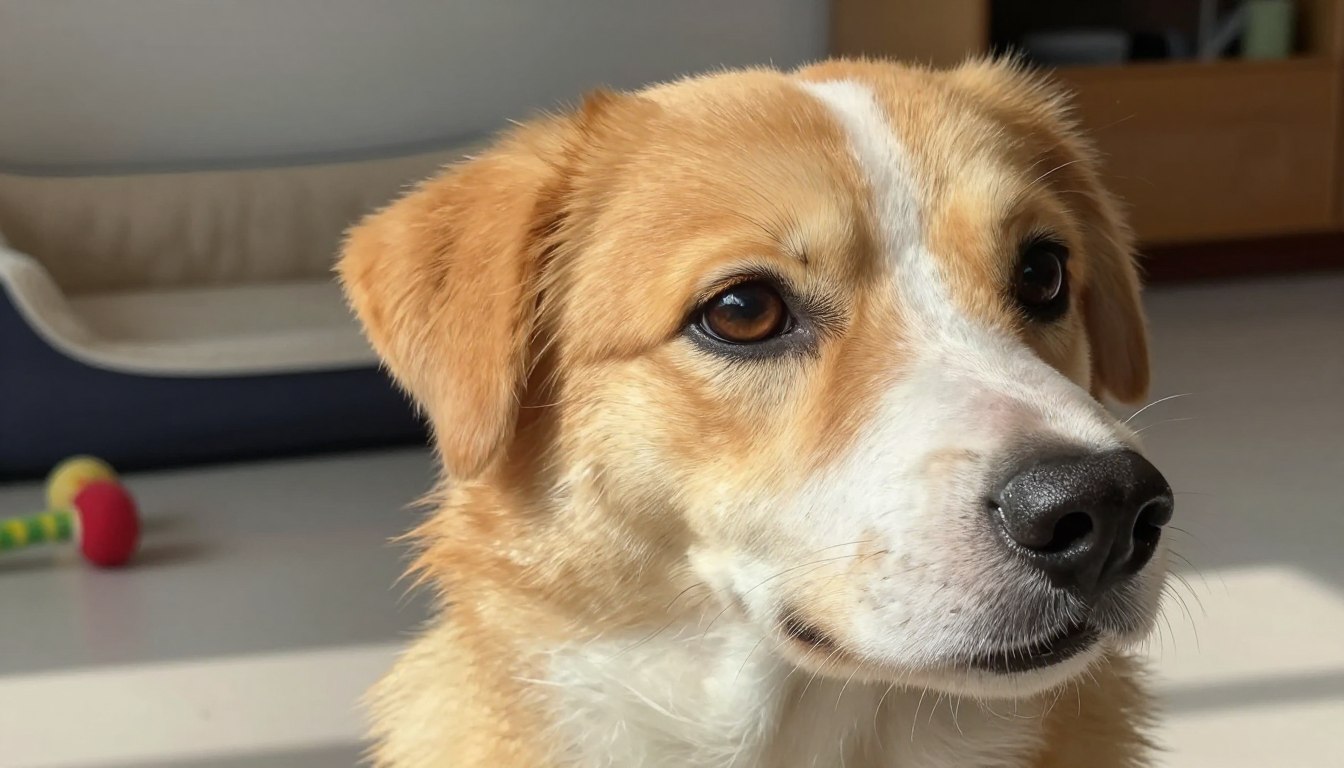
Have you ever seen your dog look at you with a funny side glance? It’s a common sight that many pet owners love to share. This look is like a silent question from your pup, asking what you’re up to.
This behavior is like a raised eyebrow for dogs. It shows they’re curious or maybe a bit annoyed with you. While it’s a popular meme, these dog facial expressions are more than just funny. They are a way for dogs to communicate with us.
Understanding why your pet does this can strengthen your bond. It helps you respond to their mood and needs better. In this article, we’ll explore why your dog might give you the side eye.
By learning these signals, you become a better owner for your dog. You’ll know if they’re up for play or need some alone time. Let’s uncover what your furry friend is trying to tell you with their face.
Table of Contents
What Is the Dog Side Eye Look?
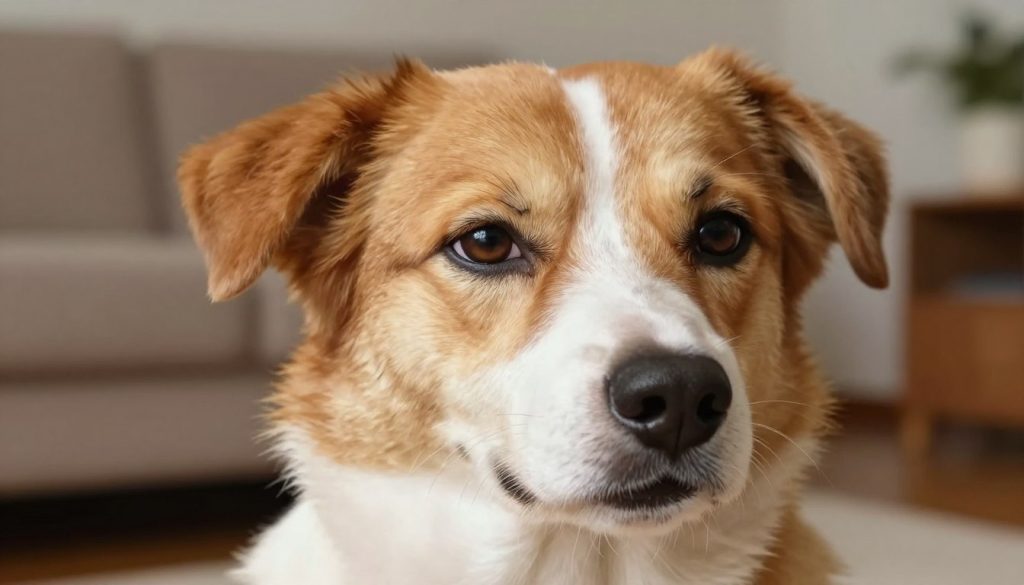
Have you ever seen your dog give you a sideways glance? It’s called the dog side eye, or “whale eye” when it’s more noticeable. This look means your dog is showing a range of emotions. They look to the side, showing more of their white eyes.
The Physical Characteristics of Side Eye
The dog side eye is more than just a look. It’s a way dogs communicate with us. To understand it, we need to look at its physical signs.
Eye Position and White Visibility
This look is called the “half-moon eye” because of the white you see at the corner of their eye. The more white you see, the clearer the side eye is.
Head and Neck Alignment
When a dog gives you side eye, they’re looking at you or something else without turning their head. This small movement can show many emotions, like curiosity or fear.
Why This Expression Captures Our Attention
The dog side eye grabs our attention because it’s a special way dogs talk to us. It shows their feelings or reactions to things. By watching when your dog gives you side eye, you can understand their mood better and respond right.
Understanding Dog Side Eye: The Psychology Behind the Gaze
Learning about your dog’s side eye can make your bond stronger. Dogs use body language to share feelings or react to situations. The side eye is a key way they communicate.
Studies show dogs not only feel our emotions but also show them. This shows the deep connection between humans and dogs. Their way of communicating comes from their history.
Evolutionary Roots of Canine Eye Communication
Dogs’ eye communication comes from their ancestors. Knowing this helps understand why they give you a side eye.
The Wolf Ancestry Connection
In wolf packs, eye contact is key for hierarchy and intentions. Wolves stare to show dominance or aggression. Avoiding eye contact means submission. This behavior is seen in domesticated dogs too.
How Domestication Changed Dog Expressions
Domestication changed how dogs communicate with their eyes. They learned to read human expressions and adapt their own. This lets dogs show a variety of emotions and needs to us.
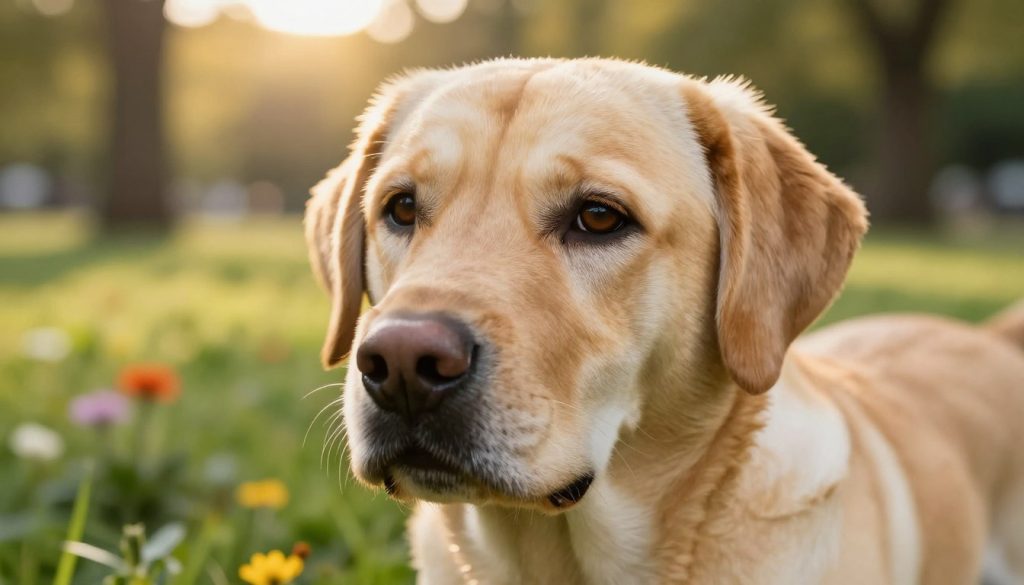
The Role of Eye Contact in Dog Behavior
Eye contact is vital in dog behavior and communication. Dogs use it to show emotions, needs, and intentions. The side eye can mean anything from uncertainty to playfulness.
Understanding your dog’s side eye psychology helps you better connect with them. It lets you respond in a way that strengthens your bond and meets their needs.
Common Reasons Your Dog Gives You Side Eye
Dogs often use the side eye to show their feelings. Knowing why they do this can make your bond stronger. By understanding their canine body language, you can respond in the best way.
Uncertainty or Mild Anxiety
Your dog might look at you sideways because they’re unsure or a bit anxious. This could happen when they face new things or don’t know what to do.
New Situations and Environments
When your dog is in a new place, they might feel uneasy. This feeling can show as side eye, meaning they’re not too comfortable.
Unfamiliar Commands or Requests
If you ask your dog to do something new, they might look at you sideways. It’s their way of saying, “I’m not sure what you want me to do.”
Resource Guarding Behavior
Resource guarding is another reason for side eye in dogs. This means they protect things like food, treats, or favorite toys.
Food and Treat Protection
Some dogs get very protective of their food or treats. When you approach, they might look at you sideways. This shows they feel like they need to protect their food.
Favorite Toys and Resting Spots
They might also guard their favorite toys or places to rest. If you get too close, they might give you side eye. It’s their way of saying, “Stay back.”
Playful Mischief and Guilty Feelings
The side eye can also mean your dog is up to something playful or feels guilty. If they’ve done something wrong, they might look at you sideways. It’s like they’re saying, “Who, me?”
Attention-Seeking Tactics
Dogs might also use the side eye to get your attention. By looking at you in a certain way, they might want to play or get some interaction.
Knowing why your dog gives you side eye can help you understand them better. By paying attention to when they do this, you can address any issues they might have. This can make your bond even stronger.
Reading the Context: When Side Eye Means Different Things
Context is key when figuring out what your dog’s side eye means. The same look can mean different things depending on the situation. Knowing the context helps you understand what your dog is trying to say.
During Meal Times and Treat Sessions
Side eye during meals or treats might mean your dog is resource guarding. This shows they feel protective of their food and might be worried about it being taken. It’s important to respect their space and not take their food or treats.
But, side eye could also show excitement or anticipation for a treat. Look for other signs like a wagging tail or leaning forward to see if it’s guarding or just eager.
When You’re Leaving or Returning Home
Side eye when you leave might mean your dog has separation anxiety. Dogs with this anxiety get upset when their owners leave. On the other hand, side eye when you come home could mean they’re excited to see you.
Watch for other signs like pacing or whining when you leave, or jumping up when you return. These can give you a better idea of how your dog feels.
Around Other Dogs or Strangers
In situations with other dogs or strangers, side eye can show caution or curiosity. Your dog is likely checking out the situation and figuring out how to react.
Meeting New Canine Friends
When your dog meets another dog, side eye is a common first reaction. They’re sizing each other up. Depending on how things go, this could lead to friendly or aggressive behavior.
Interactions with Unfamiliar People
Around strangers, side eye might mean your dog is wary or unsure. They’re trying to figure out if the person is a threat or friendly. If they also show other cautious signs like a tucked tail or lowered ears, let them approach slowly.
By looking at the context and other non-verbal cues, you can understand your dog’s side eye better. This helps you respond in a way that meets their needs.
Body Language Signals That Accompany Side Eye
To understand what your dog means by side eye, look at the non-verbal cues they give. Their body language is complex, with many signals. Knowing these can help you meet their needs better.
Ear Position and What It Reveals
Your dog’s ear position is key to understanding side eye. Ears back might mean fear or submission. Ears forward could show confidence or alertness.
Pinned Back Ears vs. Forward Ears
Pinned back ears often mean your dog is anxious or intimidated. But, forward ears suggest they’re engaged and alert.
Neutral Ear Placement
Neutral ear position might mean your dog is relaxed. But, the situation matters. It could also mean they’re trying not to show strong feelings.
Tail Movement and Overall Posture
Your dog’s tail movement and overall posture tell a lot about their mood. A wagging tail can show excitement or joy. The speed and direction of the wag can give more clues.
Wagging Speed and Direction
A fast wagging tail usually means excitement or enthusiasm. A slow wag might show caution or uncertainty. Wagging to the right often means positive feelings, and to the left, negative ones.
Body Stiffness or Relaxation
A stiff body can mean tension or alertness. A relaxed body suggests comfort and security. Seeing if your dog’s body is tense or relaxed when they give you side eye helps understand their mood.
Mouth and Facial Tension Indicators
The state of your dog’s mouth and facial muscles is also important. A tense mouth or facial muscles might show anxiety or stress. A relaxed, open mouth can indicate a positive mood.
How to Respond to Your Dog’s Side Eye
How you react to your dog’s side eye matters a lot. It can make your bond stronger or weaker. Knowing how to respond right can help fix any problems your dog might have.
Positive Reinforcement Approaches
Positive reinforcement is great for training and managing your dog’s behavior. It focuses on rewarding good actions instead of punishing bad ones. This makes your dog feel safe and understood.
Creating a Calm Environment
Creating a calm space is key to positive reinforcement. Reducing stress and anxiety helps your dog feel less need to give you side eye. Keep things quiet, avoid loud noises, and give your dog a safe place to go when needed.
Consistency is key in keeping things calm. A routine helps your dog feel secure. This reduces side eye caused by uncertainty or anxiety.
Rewarding Desired Behaviors
Rewarding your dog for good behavior is important. When they act calm or positive, give them treats, praise, or play. This encourages good behavior and strengthens your bond.
What Not to Do When Your Dog Side Eyes You
Knowing what not to do is just as important as knowing what to do. Avoid punitive reactions because they can make things worse. They can increase your dog’s stress and anxiety.
Don’t scold or punish your dog for side eye. Try to understand why they’re acting that way. Fixing the real issue can make your dog feel safer and less likely to give you side eye.
When Side Eye Signals a Problem
Your dog’s side eye might be more than just a quirky expression. It could be a sign of stress, fear, or even aggression. Knowing when this expression signals a problem is key for your dog’s well-being.
Signs of Stress or Fear
When your dog shows side eye due to stress or fear, other body language cues often follow. Being aware of these signs can help you find the root cause of the issue.
Persistent Avoidance Behaviors
If your dog consistently avoids eye contact or turns away, it may be stressed or anxious. Paying attention to these cues can help you address the underlying issue.
Escalating Anxiety Symptoms
Escalating anxiety symptoms, like panting, pacing, or whining, can go with the side eye. If you notice these signs, it’s important to identify the source of the anxiety and take steps to reduce it.
Aggression Warning Indicators
In some cases, a dog’s side eye can be a warning sign of aggression. If your dog’s side eye is with a stiffened posture, raised hackles, or a direct stare, it’s vital to exercise caution and seek professional guidance.
When to Consult a Veterinarian or Behaviorist
If you’re worried about your dog’s side eye or other concerning behaviors, it’s time to seek help. A veterinarian or a certified animal behaviorist can help find the cause and guide you. By getting professional help, you can ensure your dog gets the support they need to overcome their issues and live a happy, healthy life.
Conclusion
Understanding how dogs communicate is essential for a strong bond with them. The side eye is a key part of this, showing different feelings through small facial changes. Knowing when and why your dog uses side eye helps you connect better with them.
Keep learning about your dog’s expressions, like the side eye. Responding to their emotions shows you care and understand them. This improves your relationship, making it more loving and harmonious.