
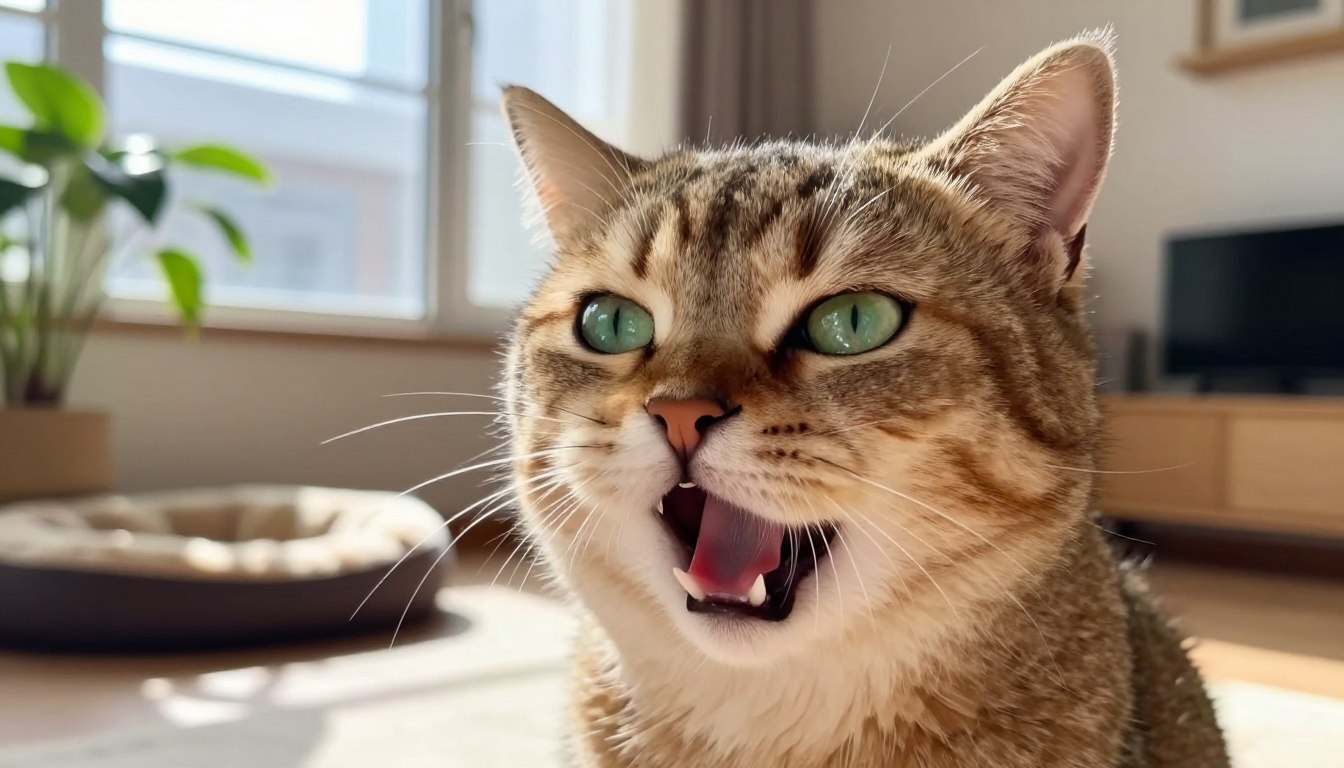
If your furry friend suddenly makes a sharp noise through their nose, you might feel worried. It’s natural to wonder why this happens and if your pet is healthy. Understanding feline sneezing causes is key for any owner.
Usually, a small bit of dust or a strong scent triggers this in your feline. But if these sounds happen often, it might mean an allergy or a viral infection. Paying close attention to your animal’s health keeps them happy and comfortable at home.
Exploring the reasons for these symptoms helps you care for your kitty better. Whether it’s a simple irritant or a complex medical issue, knowing helps you act fast. Taking quick action can stop a minor tickle from becoming a big respiratory problem.
This guide answers your most pressing questions about your pet’s health. You’ll learn how to spot trouble signs and find the best ways to help. Your devotion to your pet greatly improves their daily life.
Table of Contents
Key Takeaways:
- Identify if the nasal reflex is a simple reaction to dust or a chronic health concern.
- Discover common environmental triggers that affect your pet’s respiratory system.
- Learn exactly when to seek professional medical advice for your furry companion.
1. Why Your Cat Might Be Sneezing
Cat sneezing is a natural reflex, but it can also be a sign of an underlying problem. Cats sneeze for various reasons. Some sneezes are as simple as a tickle in the nasal passage. Others can be as serious as an upper respiratory infection or a foreign object stuck in the nose.
1.1 The Difference Between Normal and Concerning Sneezes
Distinguishing between normal and concerning sneezes is key. An occasional sneeze is normal. But frequent or persistent sneezing can indicate an underlying issue. If your cat’s sneezing is accompanied by other symptoms like discharge or lethargy, it’s a cause for concern.
1.2 How Frequently Cats Typically Sneeze
Cats, including kittens, sneeze occasionally. This is due to their developing immune systems and curiosity-driven behavior. But if the sneezing becomes more frequent, it’s essential to monitor their overall health.
1.3 Understanding Your Cat’s Nasal System
Your cat’s nasal system is complex and sensitive. Understanding its intricacies can help you identify problems early on. The nasal passages are lined with mucous membranes. These can be irritated by various factors, leading to sneezing.
2. Common Causes of Cat Sneezing
Cats sneeze for many reasons, from small irritants to serious infections. Knowing these causes helps you care for your pet better.
2.1 Upper Respiratory Infections in Felines
Upper respiratory infections often make cats sneeze. These can be viral, bacterial, or fungal. They cause nasal discharge, coughing, and lethargy, similar to cat cold symptoms.
2.2 Viral Infections That Trigger Sneezing
Viral infections, like feline herpesvirus, are common in cats. They can make cats sneeze a lot. These infections are a big part of feline respiratory issues and need vet care.
2.3 Bacterial Infections and Their Impact
Bacterial infections can also make cats sneeze. If not treated, these infections can cause worse symptoms. It’s key to find out what’s causing it.
2.4 Fungal Infections and Nasal Issues
Fungal infections can also cause sneezing in cats. They often lead to long-term nasal problems. In bad cases, they can be linked to cat flu, needing vet help right away.
4. Environmental Triggers That Cause Sneezing
Environmental factors can make your cat sneeze. Knowing what triggers sneezing is key to helping your cat feel better. Your home can have many things that might make your cat sneeze. Finding out what these are is the first step to making your cat’s home more comfortable.
4.1 Common Household Irritants Affecting Your Cat
Household irritants can harm your cat’s health, leading to sneezing and other breathing problems. Dust is a big problem, building up in your home and bothering your cat’s nose. Cleaning and dusting regularly can help.
Pet dander and hair can also make your cat sneeze, even if they don’t have allergies. Keeping your cat’s area clean and well-ventilated is very important.
4.2 Dust, Pollen, and Seasonal Allergies
Dust and pollen are common allergens that can make cats sneeze. When the seasons change, pollen counts go up, making allergies worse. Keeping your home clean and using air purifiers can help lower your cat’s exposure to these allergens.
4.3 Cleaning Products and Strong Fragrances
Many cleaning products have harsh chemicals and strong smells that can upset your cat’s nose, making them sneeze. Choosing fragrance-free or natural cleaning products can help avoid this problem.
It’s also a good idea to keep your cat away from where you’re cleaning. This helps prevent them from getting exposed to things that might irritate them.
4.4 Cigarette Smoke and Air Quality Concerns
Cigarette smoke is a big environmental trigger for sneezing in cats. Smoke particles can stay in the air and on surfaces, bothering your cat’s breathing. Keeping the air clean by not smoking indoors and using air purifiers can help your cat feel better.
By understanding and tackling these environmental triggers, you can lessen your cat’s sneezing. This makes their living space healthier.
5. Identifying Serious Cat Cold Symptoms
When your cat sneezes a lot, it’s time to look deeper. While sneezing now and then is normal, constant or severe sneezing might mean something serious. Watch your cat closely and get vet help if you see any warning signs.
Red Flag Symptoms That Need Immediate Attention
If your cat shows any of these signs, get vet help right away. Look out for severe sneezing fits, trouble breathing, or big changes in how they act or eat. These signs can mean a serious problem that needs quick treatment.
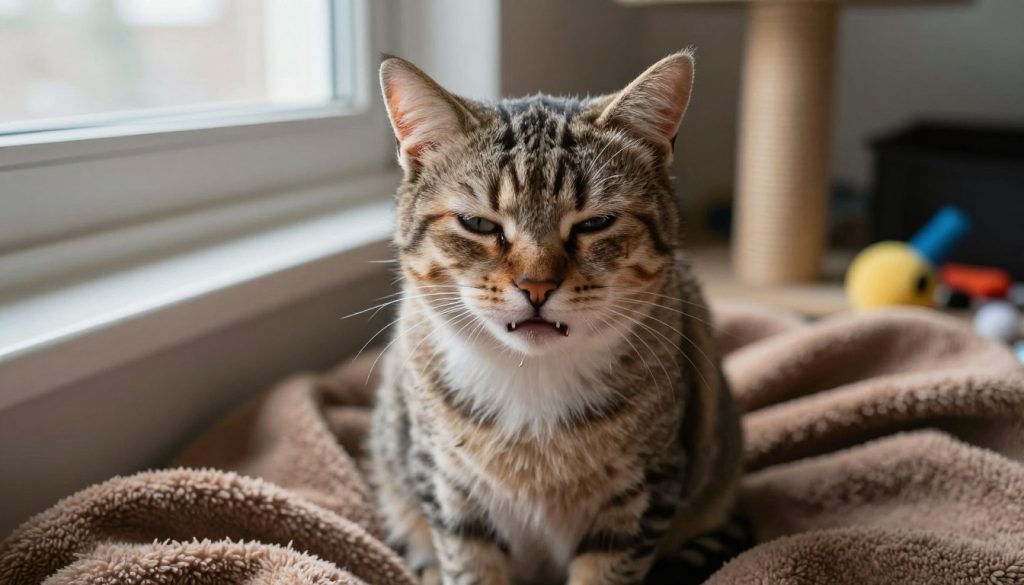
Nasal and Eye Discharge You Shouldn’t Ignore
Discharge from the nose or eyes can mean an infection. If you see thick, yellow, or green discharge, your cat needs to see a doctor. This discharge could be from a bacterial or viral infection that needs treatment.
Breathing Difficulties and Wheezing Sounds
If your cat has trouble breathing or wheezes, it’s a big worry. These signs can point to a serious lung problem. Act fast to keep your cat safe and healthy.
Changes in Appetite, Energy, and Behavior
If your cat eats less, seems tired, or acts differently, they might be sick. If you notice these changes, talk to your vet. Catching problems early can help your cat feel better and stay healthy.
6. Effective Sneezing Remedies for Cats and Home Care
When your cat sneezes, it worries you about their health. There are sneezing remedies for cats you can try at home. These can help make your cat feel better.
Steam therapy and humidifiers can help with congestion and sneezing. Steam therapy makes a warm, steamy space. This helps loosen mucus and eases nasal congestion. You can do this by running a hot shower and then bringing your cat in for a few minutes.
Or, use a humidifier in your cat’s favorite spot. It keeps the air moist and makes breathing easier.
6.1 Using Steam Therapy and Humidifiers Safely
Make sure the water for steam therapy isn’t too hot. It could burn your cat. Clean humidifiers often to avoid bacteria. Always follow the instructions for use and upkeep.
6.2 Ensuring Proper Hydration for Your Cat
Drinking enough water is key for your cat, even when they’re sneezing. Offer lots of water and make it more appealing. Try using water fountains or adding a bit of low-sodium chicken broth to their water.
6.3 Gentle Techniques for Nasal Care
Soft, gentle care can help with sneezing. Use a damp cloth to wipe away nasal discharge. For deeper cleaning, talk to your vet about saline nasal drops for cats.
6.4 Reducing Stress to Support Your Cat’s Immune System
Stress can make sneezing worse by weakening the immune system. Make a calm space for your cat. Keep a regular routine and use stress-reducing products like pheromone diffusers.
Using these sneezing remedies for cats and home care tips can help your cat feel better. If sneezing doesn’t stop or is accompanied by other bad symptoms, see a vet. They can check for serious health problems.
7. Professional Pet Health Concerns and Veterinary Care
If your cat sneezes a lot or shows other worrying signs, you should see a vet. Knowing when to take your cat to the vet is key to their health.
When to Schedule a Vet Appointment
See a vet if your cat sneezes a lot, has nasal discharge, loss of appetite, or other illness signs. Your vet will check your cat’s health and find out why they’re sneezing.
Watch your cat’s behavior closely. If they have trouble breathing, wheeze, or act differently, go to the vet right away.
Diagnostic Tests Your Veterinarian May Recommend
Your vet might suggest X-rays to look at your cat’s nasal passages and sinuses. They might also do blood work to check for infections or other issues. Other tests can help find the cause of sneezing.
Treatment Options Including Medications and Antibiotics
Based on what they find, your vet might give your cat medications or antibiotics. It’s important to follow their advice and finish the treatment to help your cat get better.
Preventive Measures and Vaccination Schedules
To stop sneezing, keep your cat healthy with regular check-ups and follow vaccination schedules. Your vet can tell you the best ways to keep your cat healthy based on their age, health, and lifestyle.
By staying informed and working with your vet, you can make sure your cat stays healthy and happy.
8. Understanding Feline Respiratory Issues and Cat Flu
It’s important to know why cats get sick with respiratory problems. Cat flu and other issues can come from viruses and bacteria. Knowing the signs helps you care for your cat better.
8.1 What Cat Flu Really Means for Your Pet
Cat flu is not just a cold. It’s a serious illness that can cause big health problems. Feline herpesvirus and feline calicivirus are common causes. They can make cats sneeze, have runny noses, and even get pneumonia.
Seeing the symptoms early is key to treating it. If your cat sneezes, has runny eyes, or seems tired, see a vet.
8.2 Feline Herpesvirus Symptoms and Effects
Feline herpesvirus is a contagious virus that affects cats everywhere. Symptoms include sneezing, nasal discharge, and conjunctivitis. It can also cause more serious problems like keratitis or blindness.
To manage this virus, reduce stress, feed a healthy diet, and sometimes use antiviral meds.
8.3 Feline Calicivirus and Respiratory Problems
Feline calicivirus is another common respiratory problem in cats. It can make cats sneeze, have oral ulcers, and even be lame. The severity depends on the virus and the cat’s health.
There’s no cure, but supportive care like keeping them hydrated and fed well can help. Sometimes, antibiotics are needed to fight off secondary infections.
8.4 Why Kitten Sneezing Requires Extra Attention
Kittens are more likely to get sick because their immune systems are not fully developed. Sneezing in kittens can be a sign of a serious underlying condition, like a virus or bacteria. It’s important to watch their health closely and get vet care early.
Make sure your kitten gets all their shots and keeps their environment clean and stress-free to prevent sickness.
8. Conclusion
Understanding cat sneezing is key to keeping your cat healthy. An occasional sneeze is usually okay, but regular sneezing needs attention. Knowing the causes helps you prevent future sneezes and keep your cat happy and healthy.
A single sneeze might warm your heart, but regular sneezing is a different story. Watching your cat’s health closely and getting vet care when needed is important. This helps avoid serious problems and keeps your cat well.
Knowing why cats sneeze helps you help them. Common reasons include infections, environmental factors, and breathing problems. Regular vet visits and a clean, safe home are essential. They help keep your cat healthy and free from sneezes.