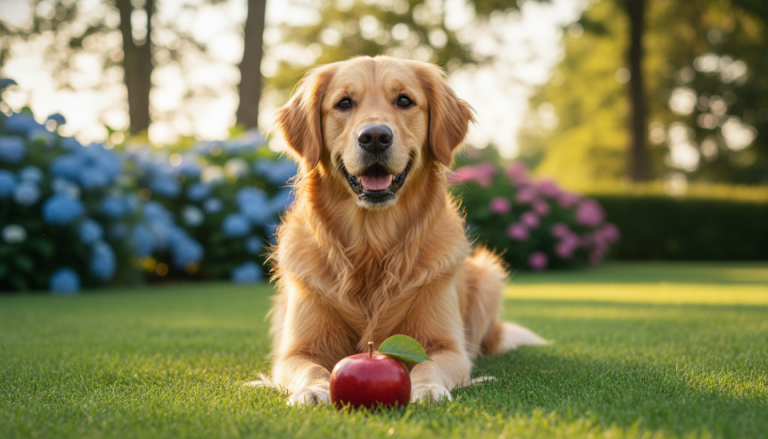

- Citrus snacks can be a healthy reward in very small amounts.
- These treats offer essential nutrients like potassium and fiber.
- High sugar content means you must prioritize portion control.
Every pet owner loves sharing a tasty snack with their furry best friend. You might wonder while peeling a snack if your pet might enjoy a slice too. While many fruits are great for pets, not all items from your kitchen are safe for every animal.
So, can dogs have oranges safely? The short answer is yes, but you must be careful with the portion size. This citrus treat provides essential nutrients like potassium and fiber that support a healthy lifestyle.
You should practice moderation to avoid stomach upset. While citrus fruits offer vitamin C, the natural sugar content means you should only offer them as an occasional reward. Using them as a rare treat keeps your companion excited and healthy.
It is vital to understand that your puppy’s digestive system differs from your own. Keeping these snacks small ensures your companion stays happy without any digestive trouble. Always check with a medical vet before introducing new items to their daily routine.
Table of Contents
Can Dogs Have Oranges? The Quick Answer
If you’re wondering if oranges are safe for your dog, you’re not alone. Many dog owners are curious about sharing their favorite fruits with their pets.
The good news is that dogs can eat oranges in moderation. But, it’s important to prepare them correctly. The fleshy part of oranges is safe for dogs, but you should remove the peel, pith, and seeds first.
Oranges offer some health benefits for dogs. They have vitamin C, potassium, fiber, and antioxidants. These nutrients can help your dog’s health when given in the right amounts.
To sum up, oranges can be a healthy snack for dogs if given in moderation and prepared right. Always think about your dog’s health first. If you’re unsure about adding new foods, talk to a vet.
Nutritional Benefits of Oranges for Your Dog
Oranges offer many benefits for dogs, from boosting the immune system to aiding digestion. They are packed with nutrients that can enhance your dog’s diet.
Vitamin C and Immune System Support
Oranges are a top source of vitamin C, a key antioxidant for dogs. Vitamin C fights oxidative stress and boosts health. It helps dogs in several ways:
- Boosting the immune system
- Reducing inflammation
- Supporting overall health
Fiber Content and Digestive Health
Oranges also have dietary fiber, important for a dog’s digestion. Fiber keeps bowel movements regular and supports good gut bacteria. A healthy gut is key to your dog’s health.
Hydration and Additional Nutrients
Oranges are mostly water, making them great for keeping dogs hydrated. They also have potassium for muscle and nerve health. Plus, their antioxidants can lower disease risks.
Oranges provide several important nutrients:
- Vitamin C
- Dietary Fiber
- Potassium
- Antioxidants
Potential Risks and Concerns When Feeding Oranges to Dogs
It’s important to know the risks of giving oranges to dogs. Oranges can be a healthy snack if given in small amounts. But there are things to think about to keep your dog safe and healthy.
Sugar Content and Weight Management
Oranges have some sugar, which can be a problem for dogs. Too much sugar can raise blood sugar levels and worsen conditions like diabetes. It’s key to only give oranges in small amounts to avoid too much sugar.
Watching your dog’s weight is also important. If your dog is overweight or has blood sugar issues, oranges might not be a good choice.

Citric Acid and Stomach Sensitivity
The citric acid in oranges can upset some dogs’ stomachs. Gastrointestinal discomfort might show as vomiting, diarrhea, or feeling tired. If your dog acts sick after eating oranges, stop giving them oranges and talk to a vet.
Choking Hazards and Peel Dangers
Orange peels and seeds are dangerous for dogs. The peels can block their intestines, and seeds can cause choking or stomach problems. Always take out the seeds and peels before giving oranges to your dog.
To safely give oranges, peel them, remove the seeds, and cut them into small pieces. This helps prevent choking. Always watch your dog when introducing new foods, like oranges.
How to Safely Serve Oranges to Your Dog
To safely share oranges with your dog, follow these guidelines. Oranges can be a healthy treat for dogs if prepared correctly. It’s important to know how to introduce oranges to your dog’s diet to avoid health problems.
Proper Preparation and Portion Sizes
Preparing oranges safely for your dog is key. First, remove the peel, seeds, and membranes as they can cause problems. Then, cut the orange into small, manageable pieces to prevent choking and aid digestion.
The amount of orange you can give your dog depends on their size. Generally, larger dogs can have more than smaller dogs. But remember, oranges should only be a small part of their daily calories.
Removing Seeds, Peels, and Membranes
Before giving oranges to your dog, remove all seeds, peels, and membranes. Seeds can be a choking hazard and may contain cyanide. The peel and membranes can also upset your dog’s stomach.
Frequency and Moderation Guidelines
When giving oranges to your dog, moderation is key. Oranges are high in sugar and acid, which can upset their stomach. Limit orange treats and don’t let them be a big part of their diet.
For example, you can give oranges as an occasional treat, maybe once or twice a week. This depends on your dog’s size and diet. Always watch how your dog reacts to new foods, including oranges, and adjust their diet as needed.
Signs Your Dog May Not Tolerate Oranges Well
Thinking about adding oranges to your dog’s diet? Watch for signs of intolerance first.
Oranges are usually safe for dogs, but each dog is different. Some may have mild digestive issues or even allergic reactions.
Digestive Upset Symptoms
Digestive upset is a common sign of orange intolerance in dogs. This can show up as:
- Diarrhea
- Vomiting
- Abdominal discomfort
Allergic Reactions to Watch For
Allergic reactions to oranges are rare but can happen. Look out for:
- Itching or scratching
- Swelling around the face or mouth
- Hives or redness
If your dog shows these signs after eating oranges, talk to your vet.
Other Citrus Fruits: What’s Safe and What’s Not
Exploring citrus fruits for your dog is important. Knowing which ones are safe is key. Oranges are generally safe for dogs in small amounts. But other citrus fruits have different safety levels.
Citrus fruits like tangerines and mandarins are similar to oranges. They are safe for dogs if prepared right. This means peeling them and removing seeds or membranes.
Tangerines and Mandarins
Tangerines and mandarins are smaller and sweeter than oranges. They might be a tasty treat for dogs. But, their peels can be hard for dogs to digest. Seeds can also be a choking hazard or cause blockages.
When giving tangerines or mandarins to your dog, only offer the peeled and segmented fruit. Do this in small amounts.
Lemons and Limes
Lemons and limes are not safe for dogs. They are too acidic. Eating them can upset a dog’s stomach, causing vomiting and diarrhea.
The citric acid and essential oils in lemons and limes can irritate a dog’s digestive system.
Grapefruit Considerations
Grapefruits are also not recommended for dogs. They are very acidic and can affect certain medications. Grapefruit seeds and peels can also cause stomach problems.
In summary, some citrus fruits like tangerines and mandarins can be safe for dogs when prepared correctly. But others, like lemons, limes, and grapefruits, should be avoided. They can harm your dog.
Conclusion
Feeding oranges to dogs can be good for them if done right. Oranges have vitamin C and fiber, which help with health. But there are risks like sugar and choking.
To make oranges safe for your dog, prepare them well. Take out seeds, peels, and membranes. Serve them in small amounts. If you’re not sure, talk to a vet. They can give advice just for your dog.
Knowing how to feed oranges to dogs can make them a great treat. A smart way to feed them will keep your dog healthy and happy. This way, you can enjoy oranges with your pet safely.