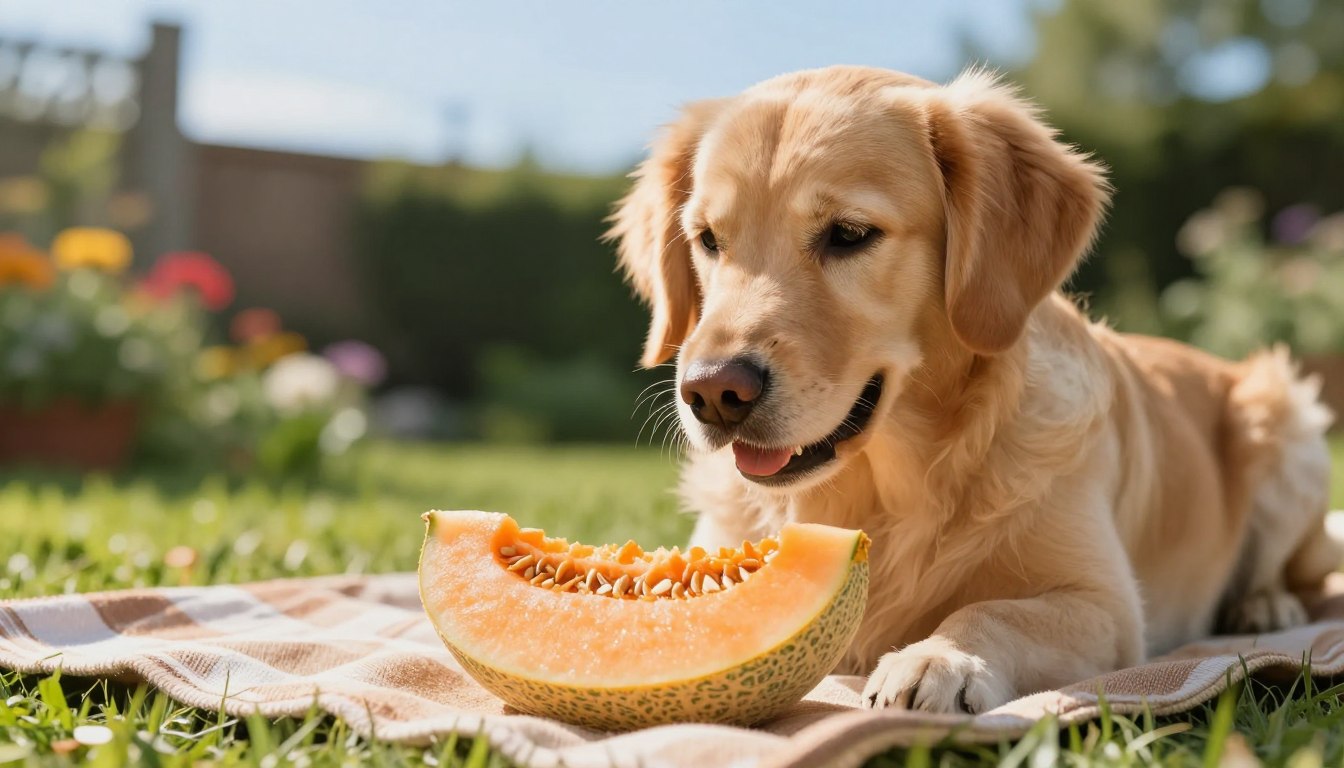
Many pet owners wonder if their furry friends should share a juicy summer melon. This refreshing treat is a wonderful addition to a canine diet when served correctly. It provides a burst of hydration that keeps your pet feeling great during hot afternoons.
This orange-fleshed snack is packed with essential vitamins and minerals. It is low in calories and remarkably high in fiber, which helps support healthy digestion. Selecting safe fruits for dogs allows you to offer variety without any unnecessary health worries.
When you look for healthy snacks, you want options that are both tasty and beneficial. Moderation is the key to introducing any new food to your animal’s routine safely. You will likely find that your companion enjoys the sweet flavor and crisp texture of this healthy treat.
This guide explores how to prepare this melon correctly for your precious pup. We focus on providing nutritional value while keeping safety at the forefront of every snack session. Your pet deserves the very best when it comes to their daily nutrition and overall happiness.
Table of Contents
Can dogs eat cantaloupe safely?
As a dog owner, you might wonder if cantaloupes are good for your pet. Cantaloupe is nutritious and refreshing, but there are things to think about before giving it to your dog.
Understanding the safety profile of melon for pets
Cantaloupe is usually safe for dogs in small amounts. It has vitamins A and C, potassium, and fiber. But, there are risks to consider.
Key considerations include:
- The high sugar content, which can be bad for dogs with diabetes or those that are overweight.
- The risk of choking hazards from seeds and rinds should be removed before serving.
- The possibility of stomach upset if too much is eaten.
When to avoid feeding cantaloupe to your dog
Even though cantaloupe isn’t toxic, there are times to avoid it. Dogs with diabetes or obesity should not have it because of the sugar. Also, if your dog has stomach problems or is prone to choking, it’s best to skip cantaloupe.
Always talk to your vet before adding new foods to your dog’s diet if they have health issues.
Nutritional benefits and potential risks
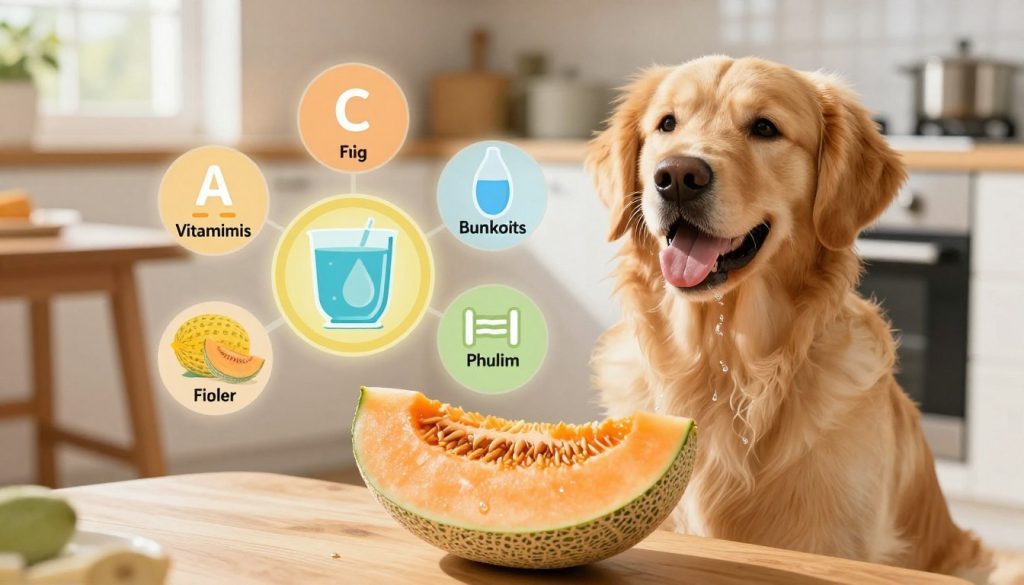
Cantaloupe is safe for dogs, but knowing its good and bad points is key. It’s packed with vitamins A, C, and B6, and minerals like potassium and magnesium. These make it a great snack for dogs.
Key vitamins and minerals found in cantaloupe
Cantaloupe is full of vitamins and minerals that are good for dogs. Vitamins A and C are antioxidants that help fight off stress and boost the immune system. Vitamin B6 is important for energy and nerve health. Minerals like potassium and magnesium help the heart and muscles work properly.
Managing sugar intake and digestive health
Even though cantaloupe is good, it has a lot of sugar. Too much sugar can upset a dog’s stomach, causing diarrhea or upset. So, it’s important to keep an eye on how much cantaloupe your dog eats.
Signs of an upset stomach in dogs
If your dog gets sick after eating cantaloupe, watch for vomiting, diarrhea, or feeling tired. If these problems don’t go away, talk to your vet.
To keep your dog’s sugar intake and digestion healthy, try these tips:
- Feed cantaloupe in small amounts.
- Watch how your dog reacts to cantaloupe.
- Adjust the amount based on your dog’s size and how sensitive they are.
By knowing the good and bad of cantaloupe, you can give your dog a safe and healthy treat.
How to safely prepare and serve cantaloupe
To make cantaloupe a safe and enjoyable treat for your dog, it’s important to prepare it correctly. Cantaloupe can be a nutritious and refreshing snack for dogs when done right.
Removing the Rind and Seeds
The first step in preparing cantaloupe for your dog is to remove the rind and seeds. The rind can be hard for dogs to digest, and the seeds can be a choking hazard or cause an intestinal blockage if swallowed. Always thoroughly clean the cantaloupe before cutting it open to minimize the risk of transferring bacteria to the edible parts.
Determining Appropriate Portion Sizes
The amount of cantaloupe you can safely give your dog depends on their size. Smaller dogs should get smaller portions to prevent overconsumption of sugar and to minimize the risk of gastrointestinal upset. A few small cubes or slices are usually enough for most dogs.
- Small dogs: 1-2 small cubes
- Medium dogs: 2-3 small cubes
- Large dogs: 3-4 small cubes
Serving Suggestions for a Healthy Treat
Cantaloupe can be served in various ways to keep the treat interesting for your dog. You can serve it frozen as a refreshing summer snack, or mix it with other dog-safe fruits like strawberries or blueberries for a fruit salad. Mixing cantaloupe with a little bit of plain yogurt can also make for a healthy and tasty treat.
Final thoughts on incorporating fruit into your dog’s diet
Adding fruits like cantaloupe to your dog’s diet can be a great treat. It’s important to keep their diet balanced and fruits in moderation.
Other fruits like apples, bananas, and strawberries are also safe for dogs. They add important vitamins and minerals, making meals more interesting.
When introducing new fruits, follow the right preparation and serving tips. This way, you can make mealtime fun and healthy for your dog.
Choosing the right fruits and watching portion sizes can make treats healthy and enjoyable. This improves your dog’s overall health and happiness.
Disclaimer: The information provided in this article is for educational purposes only and is not intended as veterinary advice. Please consult a licensed veterinarian for proper diagnosis and treatment of your pet.